



…a house is not a home until you love where you live…

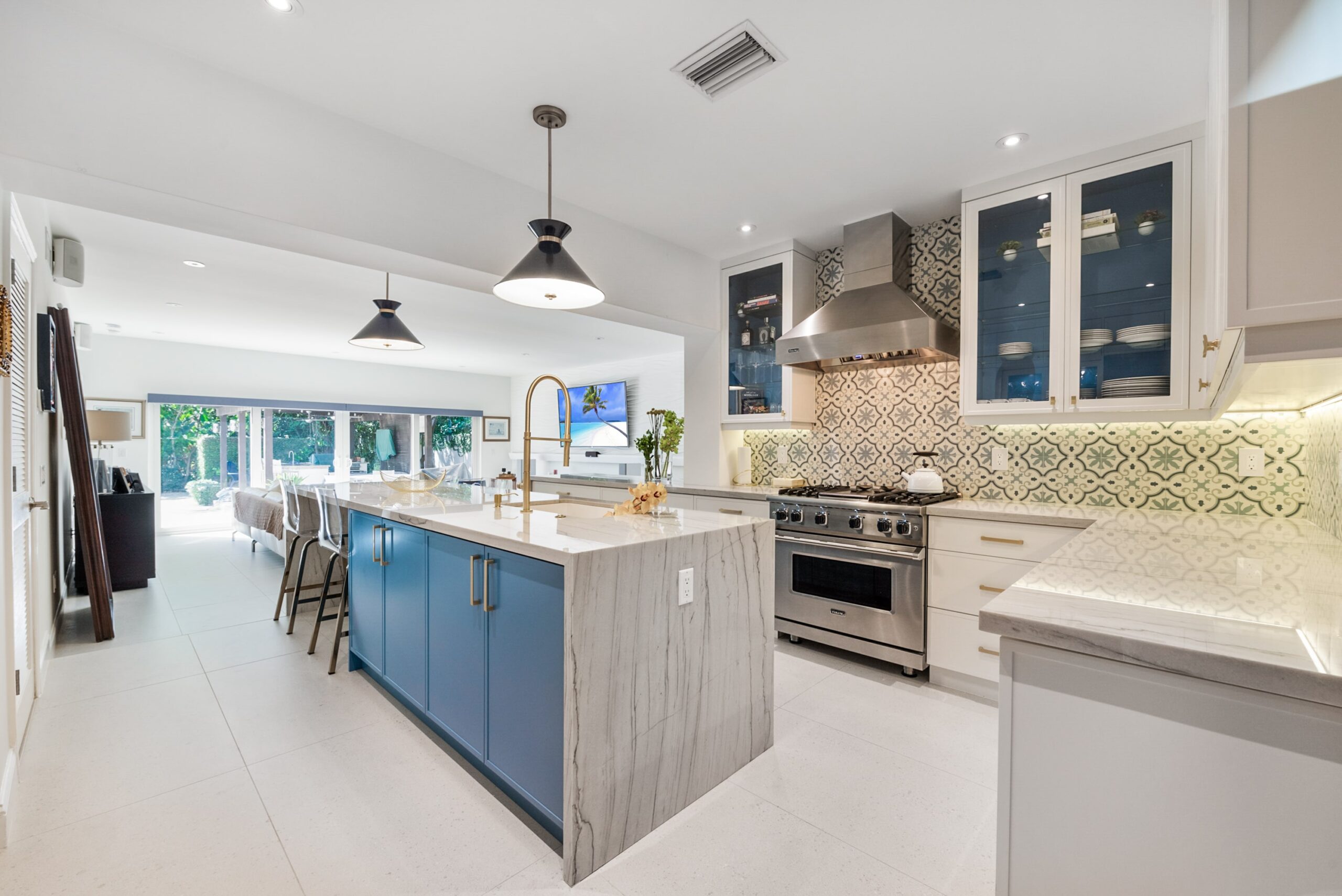
Renovating in Coconut Grove: What You Need to Know
Coconut Grove is unlike any neighborhood in Miami. Known for its contemporary vibe, strong international presence and thriving art scene, The Grove tends to attract residents who like to color outside of the proverbial design box. So, if you’re planning of renovating a home in this historic neighborhood, you’re probably ready to tap into your creative side and give your home some real personality. As exciting as this is, ensuring the finished space matches your original vision requires some careful planning.

Here are a few important things to keep in mind when renovating a home in Coconut Grove, Florida:
Have a Clear Vision of What You Want Before You Build
If you’ve been wanting to renovate for a long time, your mind is probably swimming with ideas. There are all sorts of changes you want to make. Maybe you’ve been dreaming about a bigger kitchen, more closet space, or a sprawling outdoor patio. Maybe there’s a specific house in your neighborhood you admire and want to emulate in your design.
A major step from thinking about renovating towards actually pulling the trigger is turning these passing thoughts and visions into detailed ideas. If we can make a recommendation – take some time to think about what kind of design elements and changes are truly important to you and be as specific as possible.
When looking to renovate, but also wanting to stick to a budget, we often advise our clients to focus on spaces that they use on a regular basis, rather than upgrading a part of the home that they may not interact with as much or won’t be as significant an impact on their daily life to upgrade.
We are all about assigning fun homework to our clients – and that’s to take some time to look through magazines or social media accounts to find images that really resonate with you. When you have more specific ideas, it makes it infinitely easier for your architect and design team to create a plan they can put into action.
Hire an Experienced Team Who Knows the Area
If your vision is on the more unique side, you can’t just trust anybody to execute it. Your best bet is to work with an architect who knows how to design spaces according to each client’s needs and has worked with a wide range of projects.
While some architects have specific styles, this often means they’re used to doing the same type of projects over and over again. Their portfolio could look stunning but it’s not personable to each client, it’s a made-to-order design rather than a made-to-you space.
Homes in Coconut Grove also tend to be architecturally unique. An architect who’s familiar with the area has probably worked with homes like yours before and understands the specific challenges they present.
Another advantage of working with someone familiar with the area is their knowledge of the local permit process. Two similar-looking neighborhoods in Miami can have wildly different permit processes. Someone who has been through this process in Coconut Grove many times before will know how to expedite it.
Try Not To Deviate from Your Original Plan
Most renovations end up costing more than originally anticipated. Why? Two words: Change Orders.
Two little words can have such an impact on any project. In many cases, it’s because the homeowner decides to change up a few design elements as the project progresses. It happens. You can’t blame them: It’s hard to truly envision a space sometimes until it comes to life before you. And when those creative juices are already flowing at full speed, that’s when magic (ahem, changes) happen.
And yet, unless you have a budget that can be blown without reprecussions, deviating from your original plan can be a real financial drag. So, take your time with your architect and general contractor on the forefront so you can create a plan you’re 100% comfortable with. And yes, it’s not a bad idea to be tighter on your budget in the beginning in order to give yourself and your project a little wiggle room for any unexpected changes or obstacles.
So, Yeah, Give Yourself a Cushion
Even if you stick to your original plan, unforeseen expenses are an inevitability with renovations. Your general contractor is particularly likely to encounter surprises during construction if your house is architecturally unique, or your project is vast in scope. In anticipation of these surprises, it’s highly recommended to set aside an extra 10 – 15% on top of your initial budget as a cushion. So, when you’re thinking about how much you’re comfortable spending on your renovation, add another 10 – 15% on top of that number, since that’s more along the lines of what may end up spending. Of course, the goal is to always stick within your original budget but we have been around the literal and proverbial block a time or two, and it’s better to be safe.
When it comes to establishing a budget in the first place, it’s very hard to do this when you have no idea what kind of prices you’ll be working with. This is why it’s so important to work with an experienced architect who prioritizes honesty and transparency up front as far as estimated project costs. Its incredibly common these days to have architects or builders provide quotes that do not include line items or break down eventualities. While their totals may be lower than others, odds are there will be more unexpected expenses on the back-end and you could be out of pocket for more than a more transparent and experienced architect quoted you on the onset. So, do your homework and be wary of quotes that are not detailed and feel too good to be true.
If you’re ready to contact an architect and put your project into action, get in touch with our team here at Debowsky Design Group. We’ll get to know you as a human being and put together a design that speaks to your personality and taste, not someone else’s.
Give us a call and let’s build your dream home together!