



…a house is not a home until you love where you live…

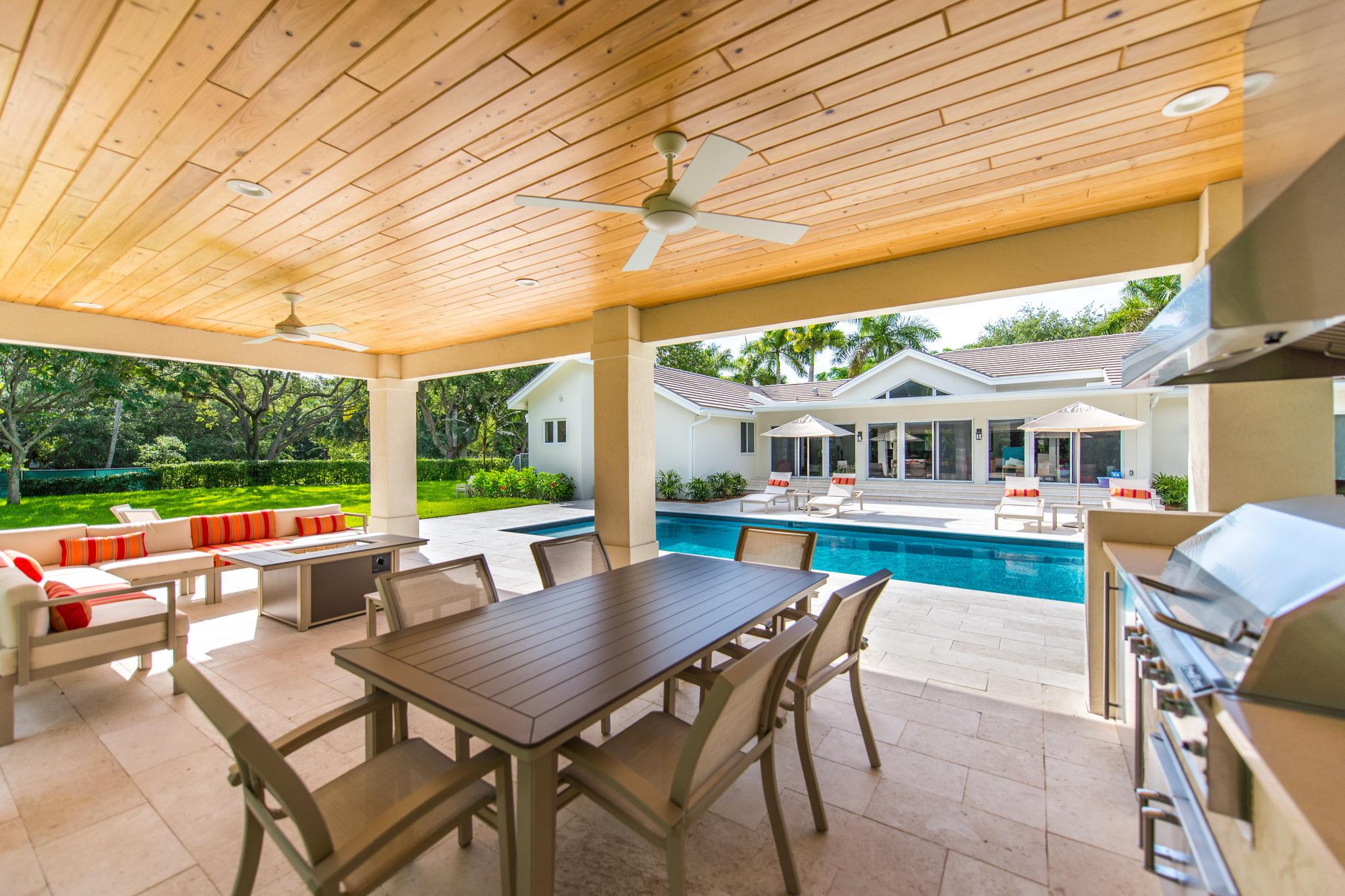
Coral Gables, Coconut Grove, or Pinecrest? A Homeowner’s Guide to Miami’s Neighborhoods
Every neighborhood in Miami has its own personality. Anyone who has lived here for more than a hot minute will tell you so, too. And when it comes to residential design, that personality follows you all the way into the permitting office, the materials showroom, and the conversations you have with your architect about what is and isn’t going to fly.
We work across Coral Gables, Coconut Grove, and Pinecrest regularly, and the conversations we have with homeowners in each are genuinely different. Not better or worse – no, no. Just different. The priorities shift, the goals shift, the aesthetic shifts – heck, even the vocabulary shifts, right down to the way people describe their dream project based on which zip code they call home.
So, if you are deciding where to plant roots, or you already have and you are starting to think about a renovation, let’s get into how your neighborhood may or may not impact your design destination.
Coral Gables: The City Beautiful with Strong Opinions
Coral Gables is the most architecturally opinionated city in Miami, and it has been that way since George Merrick laid the whole area out with Mediterranean Revival architecture, tree-lined canopied streets, and a level of aesthetic coordination that most cities couldn’t even dream up. The Gables takes that vision seriously and all these decades later, still honors it – with vigor.
If you own, or are buying, in the Gables, here is the deal: this is not a city where you can do whatever you want to your house. The Historic Preservation Board, the design review process, and deed restrictions older than most of the homes currently standing all have something to say. And to be fair, they are not all completely unreasonable – especially if you like the aesthetic of this city. The thing is, these regulations are just pretty specific, and they require someone on your team who knows how to navigate them.
That is where having the right architect changes everything. Not just someone who can design what you want, but someone who knows what the city will approve, how to present a project so it gets a fair hearing, and how to design a home that makes both the homeowner and the review board happy. (Yes, that is possible. We do it regularly.)
The homeowners we work with here tend to genuinely love the architectural character of the neighborhood. They are not trying to erase the original details in the name of modern living. They want the craftsmanship honored and the design brought forward thoughtfully. That restraint, done well, is exactly what gives the Gables its whole vibe. And yes, it’s a vibe.
If you love tree-lined streets, walkability, top tier schools, and a neighborhood that takes its own beauty seriously, you will feel right at home. Just budget a little extra time for the design review process as Coral Gables has feelings about everything, and we say that with the deepest respect.
Coconut Grove: Miami’s Original Free Spirit
Coconut Grove is Miami’s oldest neighborhood, and it wears that history like a badge of stunning honor. There is an organic, slightly bohemian quality here that you cannot replicate anywhere else in the city. The tree canopy is extraordinary – the banyan-laced coral walls are well, a local and fan-favorite. The lots are often irregular in the best way. The architecture is eclectic, and somehow it all works.
Homeowners in the Grove tend to arrive with strong personal taste and a real appetite for design that takes risks. We see more requests here for sustainable materials, indoor-outdoor living, and architecture that responds to the natural environment instead of fighting it. It is not unusual for a Grove client to show up with a reference folder that includes a home in Costa Rica, a pavilion in Bali, and a mid century house in California they once stayed in for a weekend. The brief is often as eclectic as the neighborhood itself, and honestly, that is part of the fun.
From a permitting standpoint, most of the Grove falls under Miami-Dade County, though there are overlay districts and pockets of historic designation that carry their own review process. It is not the free for all people sometimes imagine, but it is also not Coral Gables. There is real room to design something specific to your site.
And that is the real opportunity here. Many homes in the Grove sit on properties that have been lovingly landscaped for decades, with mature trees that become an asset the moment your architect knows how to design around them instead of removing them. The indoor outdoor lifestyle that makes South Florida special is, arguably, nowhere more achievable than here.
If you are the kind of person who wants a home that feels like a retreat, looks like nowhere else, and has a few hundred year old trees doing a lot of the design work for you, Coconut Grove is calling your name.
Pinecrest: Quietly Doing It Right
Pinecrest is where South Florida’s most discerning families tend to land when they want space, access to great schools, and a home that simply performs without needing to make an announcement about it. The lots are large, the streets are quiet, and the homes are, well, substantial. And the homeowners here, almost without exception, care more about getting it right than getting a whole heckuva lot of attention.
Many Pinecrest homeowners do not want to be featured in Architecture Digest, if only because they like their privacy. What you will see is a lot of homes that work beautifully for the people who live in them, year after year. That is not an accident. Pinecrest homeowners tend to think long term, invest carefully, and prioritize function right alongside aesthetics. We hear some version of “I want this to last twenty years and still feel right” more often here than anywhere else, and we take that seriously.
The lot sizes give us real room to work. Additions, pool pavilions, guest houses, outdoor living spaces that genuinely expand how a family lives, all of it is on the table. The village’s permitting process is generally more navigable than Coral Gables, though it is still Miami-Dade, so code compliance and permit sequencing still take professional management.
The renovations we do here tend to be substantial. Whole home projects, primary suite transformations, kitchens that finally make sense for how a family actually moves through their day. The goal is always for the work to disappear into the house. A Pinecrest home should feel inevitable, not designed.
If you are raising a family, value privacy without isolation, and are thinking in decades rather than seasons, Pinecrest tends to be a very good fit.
So, Which One Is Right for You?
Here is the thing about all three of these neighborhoods. The design problems are different. The constraints are different. The opportunities are different. But the standard we hold ourselves to does not change, and the goal is always the same: a home that genuinely works for the people living in it.
If you are still deciding, skip the listing photos for a second and think about your actual life. What does a Tuesday morning look like in your ideal home? What about a Sunday afternoon? Those answers will tell you more than any neighborhood comparison ever could.
And if you already know where you landed and you are starting to think about what comes next, we would love to hear about it. The earlier we get involved, the more we can do.
FAQs on a Homeowner’s Guide to Miami’s Neighborhoods
Pinecrest and Coconut Grove generally offer more design flexibility than Coral Gables for most renovation scopes. Coral Gables has the most layered review process due to its historic preservation standards and design overlay. That said, “easiest” is relative. Any renovation in Miami-Dade requires proper permitting and professional oversight, and the right neighborhood for you is not necessarily the one with the smoothest permit process.
Strongly recommended. Coral Gables has a unique regulatory environment that rewards familiarity. An architect who understands the city’s design review process, historic district protocols, and the aesthetic standards the board applies can save you significant time and money compared to someone learning the process on your project.
Tree preservation ordinances in Miami-Dade, and in the Grove specifically, are genuinely consequential. Removing a protected tree requires a permit, and damaging root zones during construction can create liability. An architect who accounts for existing trees from the earliest stages of design produces better results, and a lot fewer surprises.
Pinecrest’s larger lot sizes, family oriented community character, and relatively manageable permitting process make it a strong choice for homeowners planning substantial renovations or additions. The village permitting process still requires professional management, but tends to move more predictably than some neighboring jurisdictions.