



…a house is not a home until you love where you live…

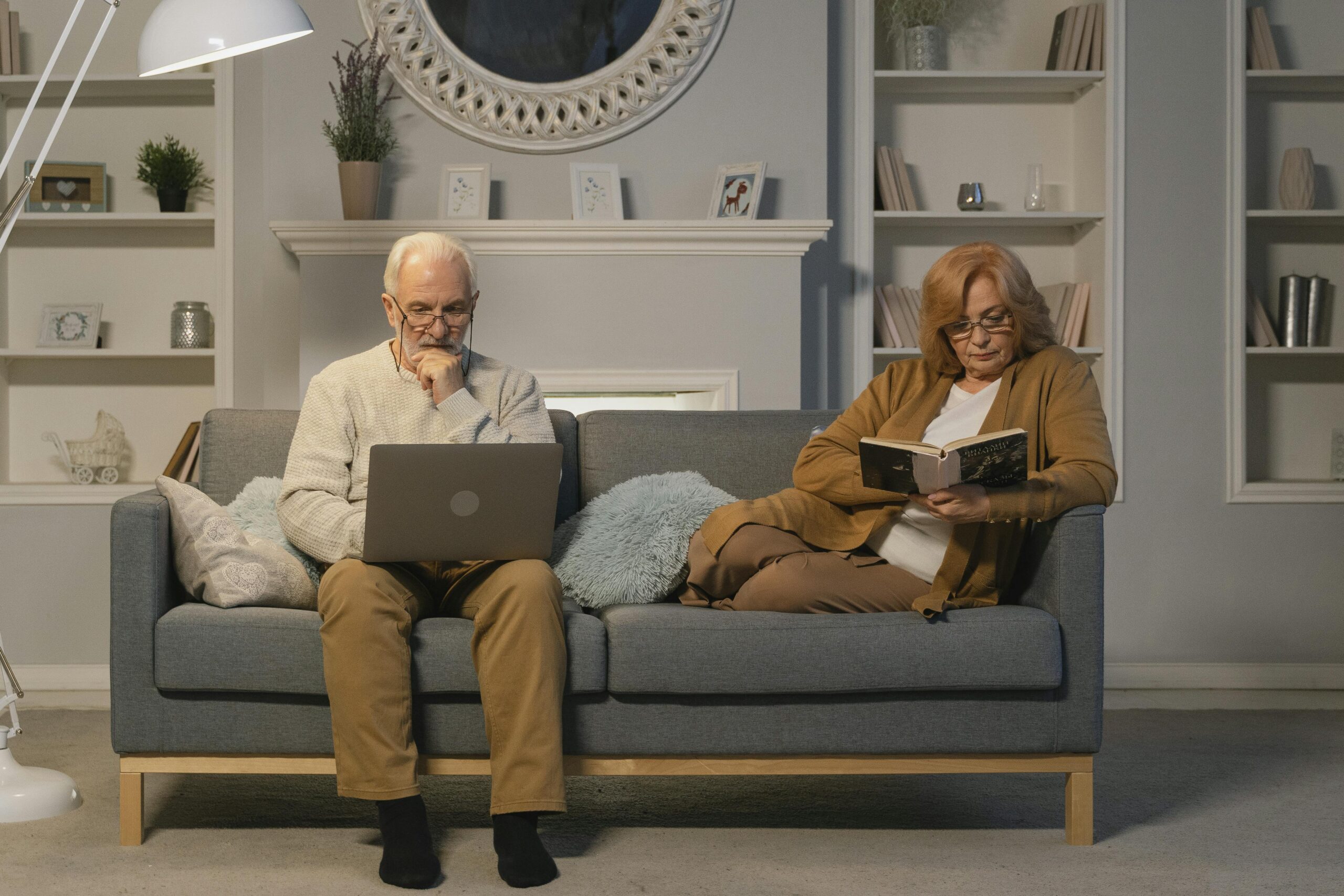
How to Design a Home That Grows With You

If you’re doing a major renovation or building new, the plan is usually to design your forever home.
This means it should be designed to accommodate your current lifestyle as well as your future needs as you get older.
At first, a home that’s designed for aging in place sounds boring and clinical, like a medical setting. But the truth is, certain design elements that benefit our health and safety also happen to be incredibly aesthetically pleasing.
With this in mind, here are a few tips for designing a home that grows with you:
Installing Water-Resistant Flooring
The risk of slipping and falling increases with age. Fortunately, certain types of flooring offer more traction and water resistance, and they’re available in all sorts of designs and patterns. A great choice for the bathroom, for instance, might be mosaic tiles with matte finishes, or even classic pebble tile and its naturally textured surface. Porcelain and ceramic technically offer the highest water resistance, but other options like marble tile are fairly durable and a lot more comfortable underfoot.
Removing Barriers from the Shower
Slips and falls are most likely to occur in the bathroom, especially when you’re entering the shower. This is why a key component of a home that’s designed for longevity is a curbless or zero-entry shower. In addition to eliminating any hazardous barriers, a zero-entry shower can be designed to give you plenty of space for mobility aids like a walker or a wheelchair. The bonus? Zero-entry showers are nice and big, and they can be designed with numerous beautiful materials, like natural stone.
Layering Your Lighting
Our eyesight diminishes with age, but that’s not nearly as noticeable when your entire home is filled with abundant lighting. Even if you weren’t designing for longevity, this is an excellent way to increase your home’s perceived value and overall visual appeal.
In the kitchen, a combination of ambient, task, and accent lighting ensures there’s adequate lighting throughout the whole space. Low-level lighting – or toekick lighting – can be particularly helpful for seniors navigating their homes at night. By installing LED strips under the bathroom counter or kitchen cabinets, you give yourself just enough lighting to illuminate your pathway and provide safe guidance.
Maximizing Drawer Space
Speaking of the kitchen, constantly bending and reaching to get items and ingredients can be painful for a senior, and even increase the risk of injury. So, when designing a kitchen for longevity, give yourself storage capabilities that put everything within reach and minimize physical effort.
For example, you might consider giving your kitchen lots of pull-out drawers because it’s easier to pull out a drawer than to squat down and see what’s inside a cabinet. Pull-out drawers allow you to store more items in a single drawer, and you never have to take anything out or reach behind anything to get what you’re looking for. If your kitchen has upper cabinets, you might install a pull-down shelving system that brings items down to a reachable height when you open the cabinet, reducing the need to stretch.
Are you ready to design a home that meets your needs just as effectively now as it does in 30 years? If so, the Debowsky Design Group is happy to help. We believe it’s perfectly feasible to creating a home that prioritizes health and safety without compromising on style and taste.
So, when you’re ready to make some changes to ensure you never have to move or renovate ever again, give us a call today.
Comments
Just Say Your Opinion