



…a house is not a home until you love where you live…

The Secret to a High-End Home Isn’t Price, It’s Cohesion
By: Stuart Debowsky
Walk into a truly beautiful home and something happens before you can explain it. The space just feels right. Considered. Like every decision was made by the same intelligent hand.
That’s not magic. It’s cohesion. Oh, and it’s the single biggest differentiator between a home that looks expensive and one that actually is.
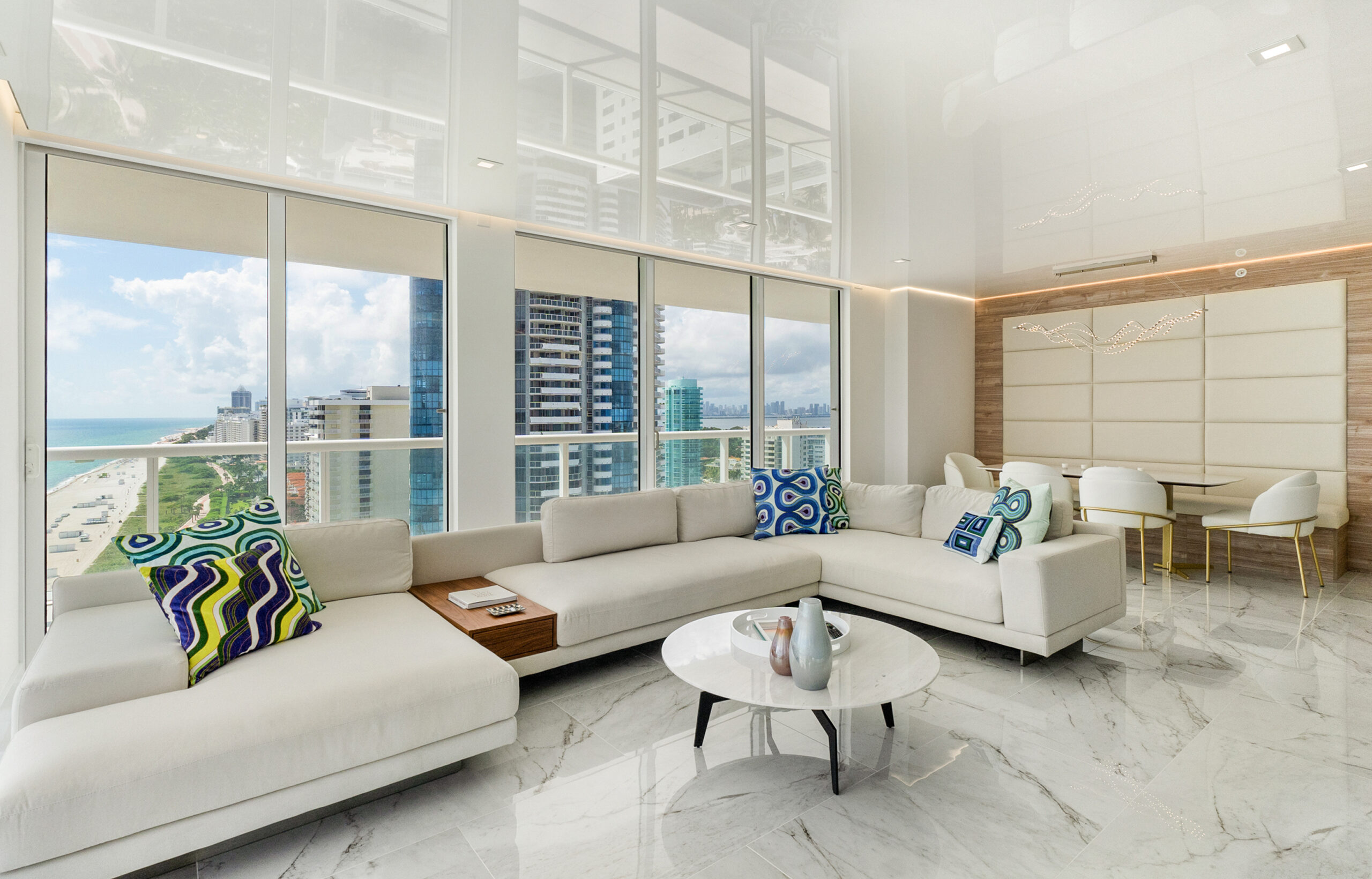
Cohesion isn’t a style. It’s not modern or traditional or coastal or minimalist. It’s the invisible thread that runs through every room, every material, every finish choice — so that the kitchen and the living room and the master bath all feel like they belong to the same story. When it’s there, you don’t notice it. When it’s missing, you feel it immediately, even if you can’t name it.
Most homeowners chase the wrong thing. They invest in individual statement pieces — a stunning light fixture here, an imported tile there — and wonder why the overall effect still feels off. The fixture is beautiful. The tile is beautiful. But without cohesion, beautiful things in the same house can still feel like strangers at a party.
The good news: cohesion has nothing to do with budget. It has everything to do with intention.
Here’s what that looks like in practice.
Start with Your Personality
A clear aesthetic comes from design choices that reflect your individual lifestyle and preferences, not someone else’s. So, step one for creating a cohesive theme is being 100% honest about how you use your home. Which spaces do you spend the most time? What are your favorite at-home activities? A design choice will only feel right if it supports these activities and shows you what you genuinely want to see every day.
For example, let’s say you’re a homebody who likes to relax in a state of quiet tranquility. If so, your design choices throughout the home should reflect this lifestyle. Maybe you’re an entertainer who views their home as a lively, stimulating social hub. Maybe you have a bold personality and your home is your channel for expressing it.
Either way, the theme you select should reflect how you want your home to feel and function. This is essential for maintaining cohesion across spaces.
Establish Your Color Palette
A key component of a cohesive home is a color palette that incorporates different shades of the same color. Many homeowners accomplish this by choosing a neutral base – like a creamy white, beige, greige, or taupe – and then using lighter or darker versions of their chosen color in each space.
If you’ve re-painted your home before, you may have gotten ideas from those paint swatch strips with varying shades of the same color. These strips can be very helpful for ensuring you don’t stray too far from your base.
Not sure whether to go lighter or darker in a certain room? Consider the space’s functionality: Do you want to relax in this space or get things done? Different colors evoke different moods.
Maintain Textural Continuity
Continuity with textures, materials, and finishes helps rooms feel more connected without looking too similar. For instance, many rustic-themed homes feature different species of wood in different places. While one room might have wood floors, another might have wooden countertops or cabinets, whereas another might have wooden furniture.
Similarly, someone who’s aiming for a relaxing, airy aesthetic might populate their home with soft fabrics, woven materials, and smooth surfaces with clean lines. Think jute or wool rugs, hand-woven baskets, cashmere blankets, and velvet pillows.
Capitalize on Transitional Spaces
Cohesion doesn’t just involve central spaces like your kitchen, bedroom, and living room. When we say, “your entire home,” that includes hallways, staircases, foyers, entryways, etc. These small, transitional areas are often overlooked, but they’re actually your opportunity to truly establish your aesthetic and show guests that every inch of your home is designed with intention.
So, make sure the walls in your entryway align with your color palette. You might also use this space to display art that supports your aesthetic and/or references colors featured in surrounding rooms.
Making Your Home Whole
Cohesion isn’t complicated. It’s just rare because most homes are designed in pieces, room by room, decision by decision, without anyone holding the through-line.
That’s exactly what we do at Debowsky Design Group. Not just pick beautiful things, but make sure every beautiful thing is in conversation with everything else. The palette, the materials, the finishes, the way light moves through the space. When all of it is considered together, the end result feels less like a house full of rooms and more like a single, continuous idea.
If your home feels like it’s almost there but not quite there, like the pieces are good but the whole isn’t adding up, that’s the cohesion gap. And it’s a very solvable problem.
Let’s set up a quick and easy consult. Bring photos of what you love, what you don’t, and what you can’t decide about. We’ll find the thread that ties it all together.
Stuart M. Debowsky, AIA, NCARB, LEED AP BD+C is the Founder and Principal of Debowsky Design Group, a Miami-based architecture and interiors firm he has led since 2009. A University of Miami-trained architect with over two decades of experience, Stuart specializes in residential and commercial design across South Florida with a focus on sustainable building and universal accessibility.
Comments
Just Say Your Opinion