



…a house is not a home until you love where you live…

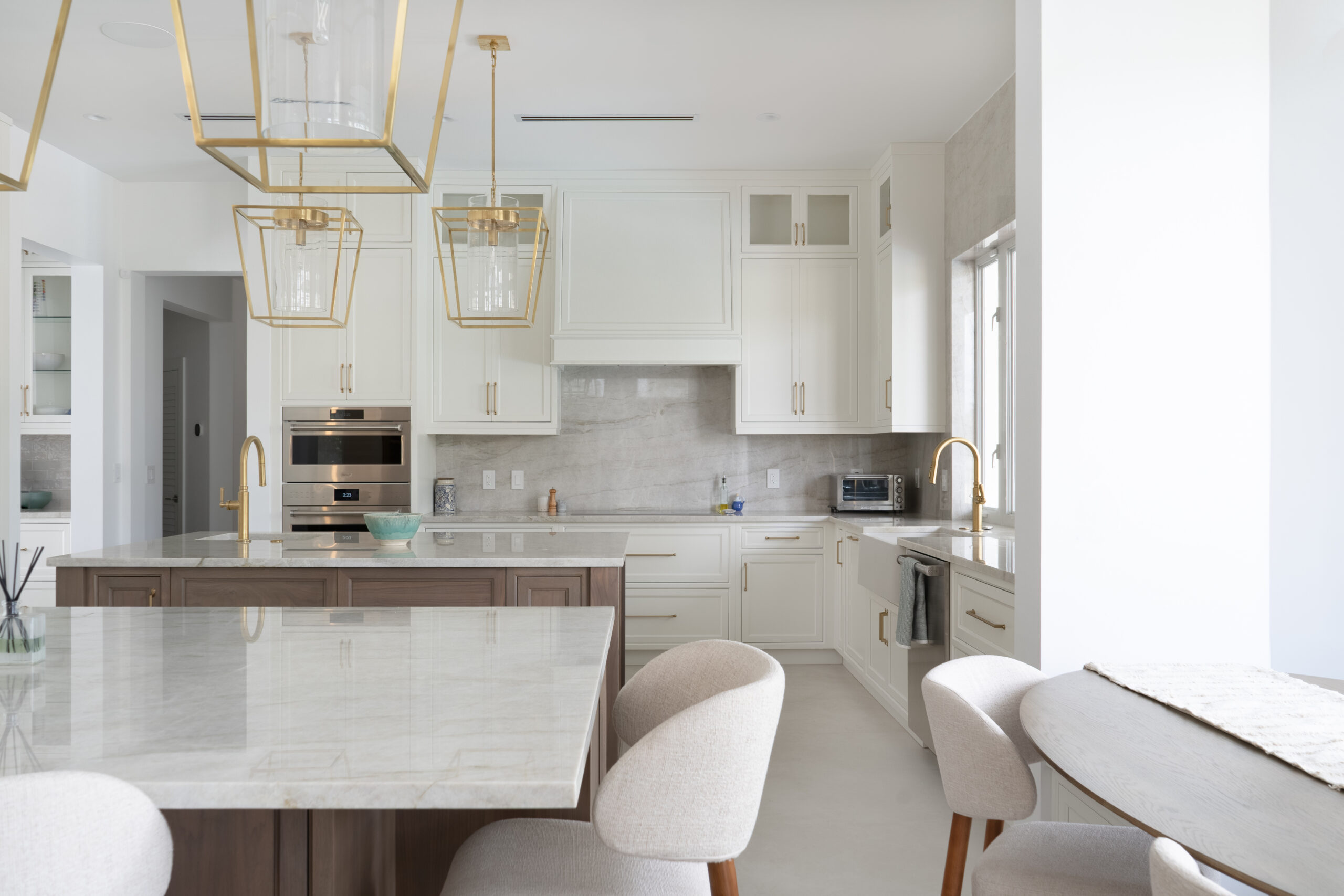
Design Tricks to Get a Custom Look on a Real-World Budget
By: Stuart Debowsky
Luxury isn’t a price point. It’s a feeling. Ahem, cough cough, and feelings can be – well – cultivated.
The homes that stop you mid-scroll aren’t always the ones with the biggest budgets. They’re the ones where someone made intentional decisions: about proportion, about light, about the one or two materials that do the heavy lifting while everything else quietly supports them. That’s not a secret the ultra-wealthy figured out. It’s what good designers have been doing for generations, regardless of the budget.
The gap between a home that looks expensive and one that is expensive is narrower than most people think. And it lives almost entirely in the details, not the price tags.
Here are some easy details that can add that feeling of luxury.
Soft Fabrics and Handmade Materials
People naturally associate luxury with soft fabrics. So, if you want your living area to feel more upscale, you might incorporate velvet accent pillows, cashmere throw blankets, hand-woven baskets…things that someone would instantly want to touch when entering the room.
While luxury isn’t always synonymous with comfort, the reality is that homes are also supposed to be cozy and relaxing, and that’s exactly the aesthetic you’ll create with fabrics that put the mind at ease.
Large Area Rugs
Speaking of soft fabrics, a high-quality rug can make any space look more upscale, whether it’s a living room, hallway, or bedroom.
Rugs define the space, giving the impression that the room was put together with intention and clarifying the room’s purpose. This is key for exuding a luxurious vibe, because great design is always purposeful: Everything is there for a reason.
Decorative Lighting
Most people treat lighting as an afterthought. It’s something you’ll figure out later. The problem with that is lighting can often be the focal point of any room. And yes, that includes natural light.
Lighting is the one design element that changes everything else in the room. The same sofa looks discolored under a single overhead fixture and completely different under layered light. The wall color? Don’t get us started on how lighting impacts that!
Layered lighting means combining sources: ambient light that fills the room, task light that serves a function, and accent light that creates mood. Done right it provides the room with a key design element: a focal point. A sculptural floor lamp or a bold set of brass pendants don’t just illuminate a space. They are the thing guests notice when they walk in.
The best part: a genuinely striking lighting fixture can cost a fraction of what a piece of art or a statement furniture item can run. Miami has no shortage of artisan makers and design showrooms where interesting, affordable fixtures live alongside the four-figure ones — you just have to know what you’re looking for.
Plants and Natural Elements
Miami has a secret weapon most cold-weather design blogs can’t touch: nature wants to come inside.
The best luxury homes don’t fight this. They lean into it — with living walls, clustered greenery, raw wood accents, and materials that feel like they were pulled from the earth rather than manufactured to look like it. The effect is immediately calming in a way that no paint color or furniture arrangement quite replicates.
The practical upside: plants are one of the least expensive things you can bring into a home that have an outsized visual impact. A cluster of philodendrons in a well-chosen pot, a fiddle leaf fig in the right corner, eucalyptus draped somewhere unexpected. These aren’t decorating choices, they’re design decisions. Guests notice.
Fresh Coat of Paint
High-quality paint is arguably the highest ROI decision in any room. Yes, it can be expensive to paint a home, but dang does it make a splash when the color is just right. Besides, you can always take the DIY route with paint too.
A “luxury” palette is almost always built on restraint. Soft whites, warm beiges, deep greiges, or muddied blues and browns — these aren’t boring choices, they’re confident ones. They tell the eye to relax and let the room breathe. Benjamin Moore’s Pale Oak, Sherwin-Williams’ Agreeable Gray, or a well-chosen warm white can make an ordinary room feel like it was art-directed. The color isn’t doing the work — the restraint is.
But restraint without personality is just beige. That’s where accent layers come in.
Bold colors belong on the things you can change: pillows, rugs, throws, art. A deep navy, a terracotta, an unexpected moment of chartreuse. Allowing yourself space to pivot on the bold flavor du jour works well in design.
The formula is simple: neutral backdrop, bold punctuation. The room gets depth, personality, and the unmistakable sense that it didn’t happen by accident.
Real World Luxury
Luxury is more of a feeling than a pricetag.
Sometimes the most beautiful homes aren’t necessarily the ones with the biggest budgets, they’re the ones that showcase deliberate choices and play with the concept that restraint is its own form of extravagance. That’s a learnable skill. It’s also, frankly, what we do every day.
At Debowsky Design Group, we don’t hand you a mood board and wish you luck. We figure out how you actually live in your home. How you move through it, what you need from it, what you want guests to feel when they walk in – and then we design from that.
If your home isn’t quite living up to what you have in mind, let’s talk. Bring us the vibe, the reference photos, the half-formed idea you can’t quite articulate yet. That’s exactly where we like to start.
Stuart M. Debowsky, AIA, NCARB, LEED AP BD+C is the Founder and Principal of Debowsky Design Group, a Miami-based architecture and interiors firm he has led since 2009. A University of Miami-trained architect with over two decades of experience, Stuart specializes in residential and commercial design across South Florida with a focus on sustainable building and universal accessibility.
Comments
Just Say Your Opinion